
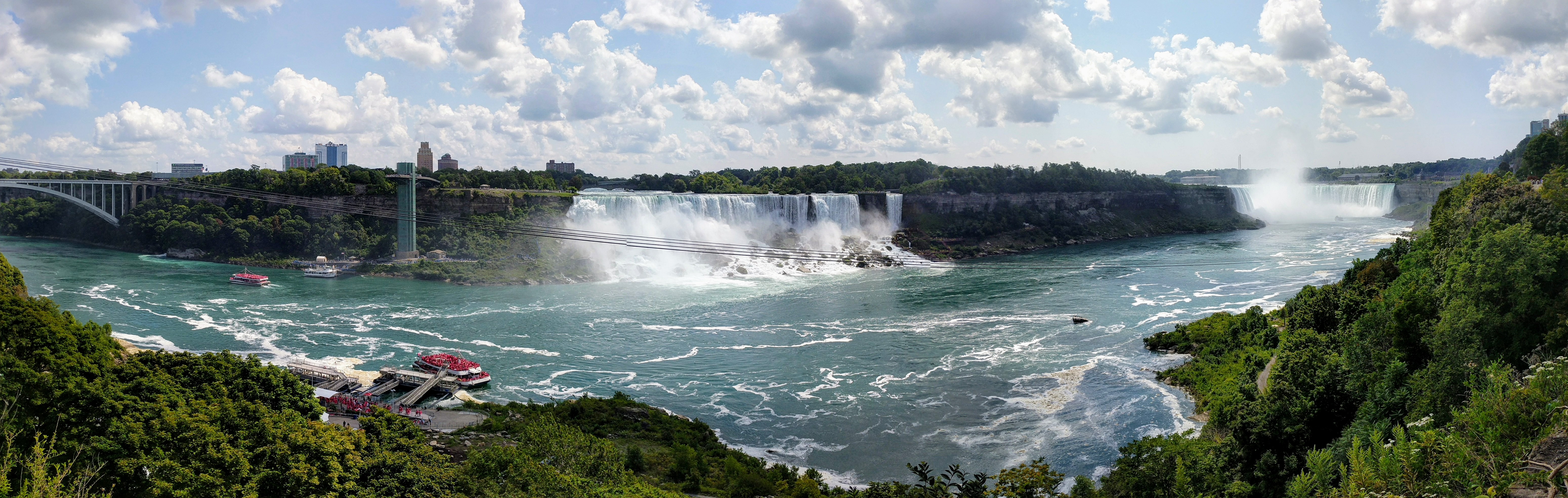
Two decades ago you could track the rhythm of Niagara Falls in simple beats: day-trippers filed along the rail by noon, souvenir bells rang by three, neon lit Clifton Hill by dusk. Today the cadence is jazzier—espresso machines hiss next to heritage stone façades, craft markets bloom beside the roar, and multilingual menus nod to food cultures that were once visitors but are now neighbours. Tourism hasn’t just padded the local economy; it has rewritten what it means to live and work beside the planet’s most famous waterfall.
Micro-Entrepreneurs and the Mist Economy
The greatest change shows up in storefront size. Instead of mega attractions monopolizing visitor wallets, the past ten years have seen an explosion of micro-businesses: pop-up chocolatiers infusing truffles with ice wine, Indigenous artisans reviving beadwork patterns in gallery-studio hybrids, and photographers hosting one-hour sunrise workshops along the gorge. These ventures ride the constant flow of new faces brought in by high-capacity offerings such as Niagara Falls Tour from Toronto, yet they rely on storytelling and craftsmanship to convert foot traffic into deeper cultural exchange.
Neighborhood Revival Beyond the Cataract
Visitor demand for authenticity is pushing investment north and south along the Niagara Parkway. Former canneries now host live-edge wood furniture ateliers; a 1930s bus depot has morphed into a food hall championing escarpment-grown produce. Patrons arrive via shuttle loops created for the classic Toronto Niagara Falls sightseeing tour but linger when guides point out indie coffee roasters or mural alleys worth returning to after the headline photo stop. Property values in these satellite districts have risen, but so have grants earmarked for heritage restoration, ensuring new capital preserves rather than replaces local character.
Cultural Fusion on the Plate and Stage
The culinary scene offers the clearest snapshot of shifting identity. Along bustling Victoria Avenue, you can start the morning with Sri Lankan egg hoppers, grab tacos layered with Ontario trout at noon, and finish with peach-wood-smoked barbecue tuned to Carolinian forest flavours. On weekends the Niagara Arts Centre programs spoken-word evenings where Filipino migrant workers share poetry about pruning Riesling vines at minus temperatures. Tourism dollars fund these platforms, but it is the interaction between residents and visitors that turns them into ongoing dialogues rather than seasonal side shows.
Balancing Thrill and Tranquility
With growth comes the challenge of keeping natural assets intact. Niagara Parks now caps daily numbers on delicate Gorge trails, and tour operators stagger timing to ease congestion at the brink. Custom itineraries are a pivotal part of this mitigation. Travelers booking private Niagara Falls tours can choose sunrise vineyard walks or off-peak tunnel access, distributing traffic across the clock and opening revenue streams in quieter corners of the region.
What the Future Might Sound Like
If current trends continue, tomorrow’s falls experience could feel like an open-air campus where hydro-history talks follow drumming workshops, and augmented-reality headsets translate Mohawk place-names in real time as you stroll the promenade. Economic reports already show tourism jobs diversifying from entry-level seasonal posts to year-round careers in tech, event production, and sustainable design. The roar of water remains the bass line, but the cultural melody above it grows more intricate each season—layered by newcomers, amplified by returning travelers, and arranged by local creatives who see opportunity in every gust of mist.
For visitors, the takeaway is simple: arrive curious, travel slow, and engage beyond the postcard view. The waterfall will steal your breath for a moment; the evolving culture wants to keep it just long enough to tell you its latest story.